Great Healthcare Marketing Starts With People Who've Lived It
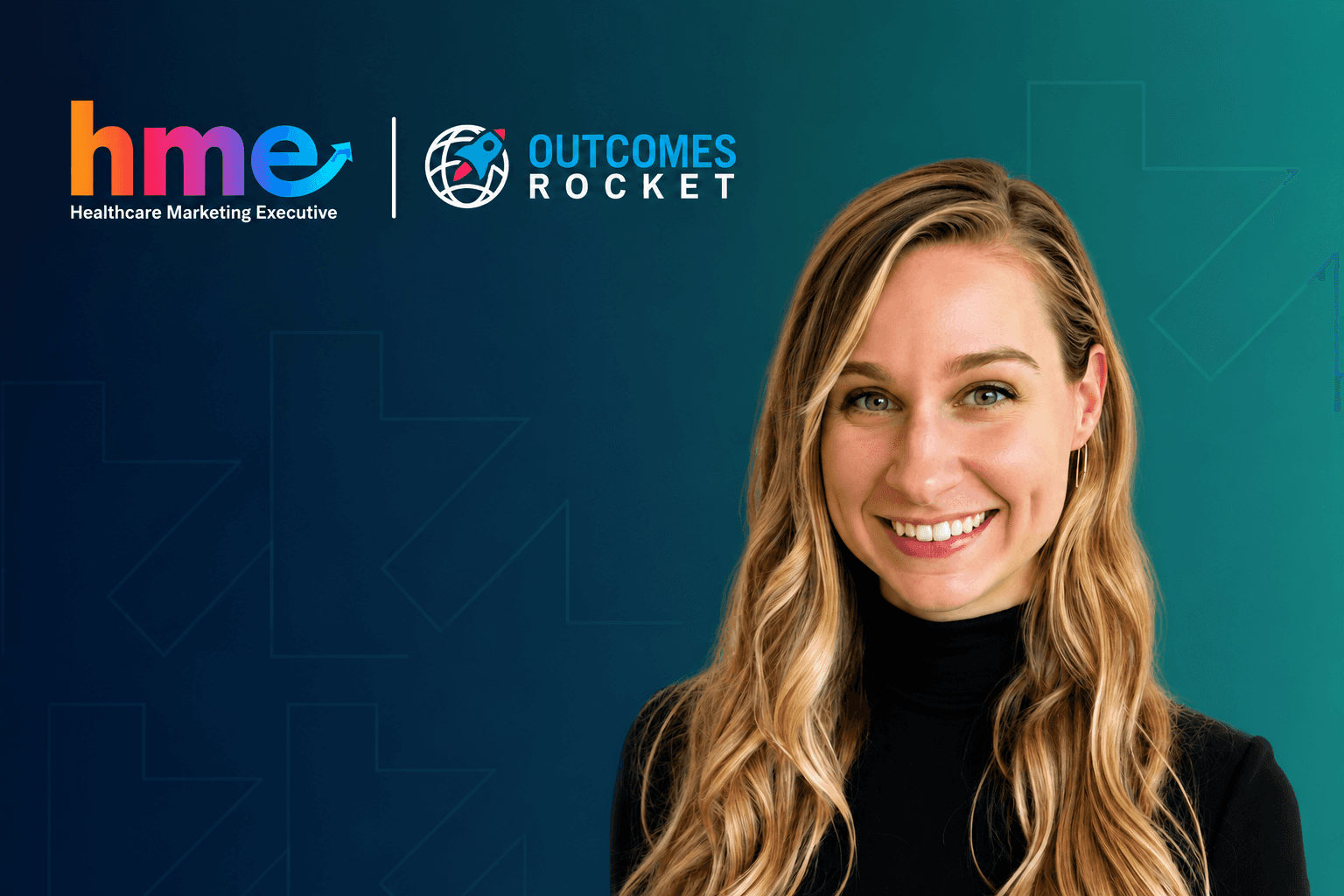
Recently, our founder, Kate Karlsson, joined the Healthcare Marketing Executive podcast to discuss healthcare communications, clinical experience, and what separates healthcare marketing from marketing in almost any other industry. One idea kept resurfacing throughout the conversation.
Healthcare audiences are different.
Clinicians, patients, and caregivers spend every day immersed in the realities of healthcare. They know the language, the workflows, what feels authentic and what doesn't.
That's why one of the most effective ways to strengthen healthcare marketing isn't just conducting more research or more customer interviews, it's involving people with lived experience in creating the message.
Research Can Only Take You So Far
Healthcare companies invest heavily in market research, user interviews, and customer feedback. Those things are incredibly valuable, but they don't completely replace the instinct that comes from having actually lived the experience.
That's because lived experience shapes instinct. Someone who has worked in healthcare notices language, workflows, and assumptions that outsiders often miss. The same is true for patients and caregivers, whose day-to-day experiences reveal challenges that don't always emerge through interviews or usability testing.
A recent example illustrates this well. In 2025, a health technology company introduced an AI-powered clinical assistant that it repeatedly described as an "AI nurse." The company also promoted the technology as costing around $9 per hour, drawing inevitable comparisons with the cost of employing a registered nurse.
The response from nurses and professional organizations was swift. The concern wasn’t just about AI, but about what the language revealed; referring to a chatbot as a “nurse” suggested a fundamental misunderstanding of a profession built on clinical judgment, critical thinking, and accountability rather than a list of tasks.
Any nurse could've told you that pitting your product's price tag against a nurse's salary was never going to end well. The fact that it made it into the campaign anyway says a lot about who was, and wasn't, in the room shaping the message.
Small Details Build Big Credibility
Sometimes the signals are much smaller.
During the podcast, Kate shared a story about reviewing content intended for clinicians. Someone without a healthcare background suggested replacing the familiar term "cath lab" with the more formal "catheterization laboratory."
Technically, “cath lab” is short for "catheterization laboratory." But practically, no clinician calls it that.
It seems like a tiny edit, but details like this shape credibility. Clinicians notice them immediately because they reflect whether the person writing truly understands the environment they're writing about.
Healthcare professionals develop an instinct for authenticity. If the language is unfamiliar or downright wrong, they will naturally begin to question the rest of the message and thus, the product.
Put Your Audience on the Team
Healthcare companies often ask, "How can we better understand clinicians?" or "How can we better understand patients?"
Research is part of the answer. So are interviews, surveys, advisory boards, and usability testing.
But one of the simplest ways to understand an audience is to include someone who has already lived their experience.
That doesn't mean every marketer needs a clinical license, but it does mean healthcare marketing teams become stronger when they include clinicians, patients, caregivers, or others with firsthand knowledge of the audience they're trying to reach.
Those people catch language that sounds almost right but isn't. They recognize when claims overpromise and understand which workflows feel authentic and which don't.
Their value is in subject matter expertise + instinct.
Messaging Builds Trust Before the Product Does
Marketing is often the first interaction someone has with a company. Long before they see the product in action, they're evaluating the language, the claims, and whether the people behind them seem to understand the problem they're trying to solve.
When clinicians see terminology that feels unnatural or patients read messaging that doesn't reflect their lived experience, it raises a reasonable question: If they missed something this visible, what else did they miss?
Healthcare is built on trust, and trust starts long before someone becomes a customer. Every product decision, every piece of messaging, and every public conversation contributes to whether people believe an organization understands the audience it's trying to serve.
That's why involving clinicians, patients, caregivers, and other end users in communications has real weight: in making sure the expertise behind the product is reflected in the way it's introduced to the world.
Interested in hearing the full conversation? Listen to Kate's interview on the Outcomes Rocket Healthcare Marketing Executive podcast.